🏞️ Quang Tri — Vietnam's Wild Frontier of Caves, Coast & Memory
Stretching along the narrow waist of Central Vietnam, Quang Tri is a province reborn. Following its merger with the former Quang Binh, the expanded province now unites two of the country's most storied landscapes into one: the poignant battlefields and Demilitarized Zone of old Quang Tri, and the staggering karst mountains and record-breaking caves of Phong Nha-Ke Bang. From the world's largest cave to sun-bleached beaches and solemn war memorials, this is a place of raw, elemental beauty — a frontier where history and nature run equally deep.
✨ What to Highlight
Phong Nha-Ke Bang is a UNESCO masterpiece. This vast national park shelters some of the oldest karst mountains in Asia and hundreds of caves — including Son Doong, the largest cave on Earth, big enough to hold a city block and its own jungle and river. Paradise Cave, Phong Nha Cave, and Dark Cave offer accessible wonder for every level of adventurer.
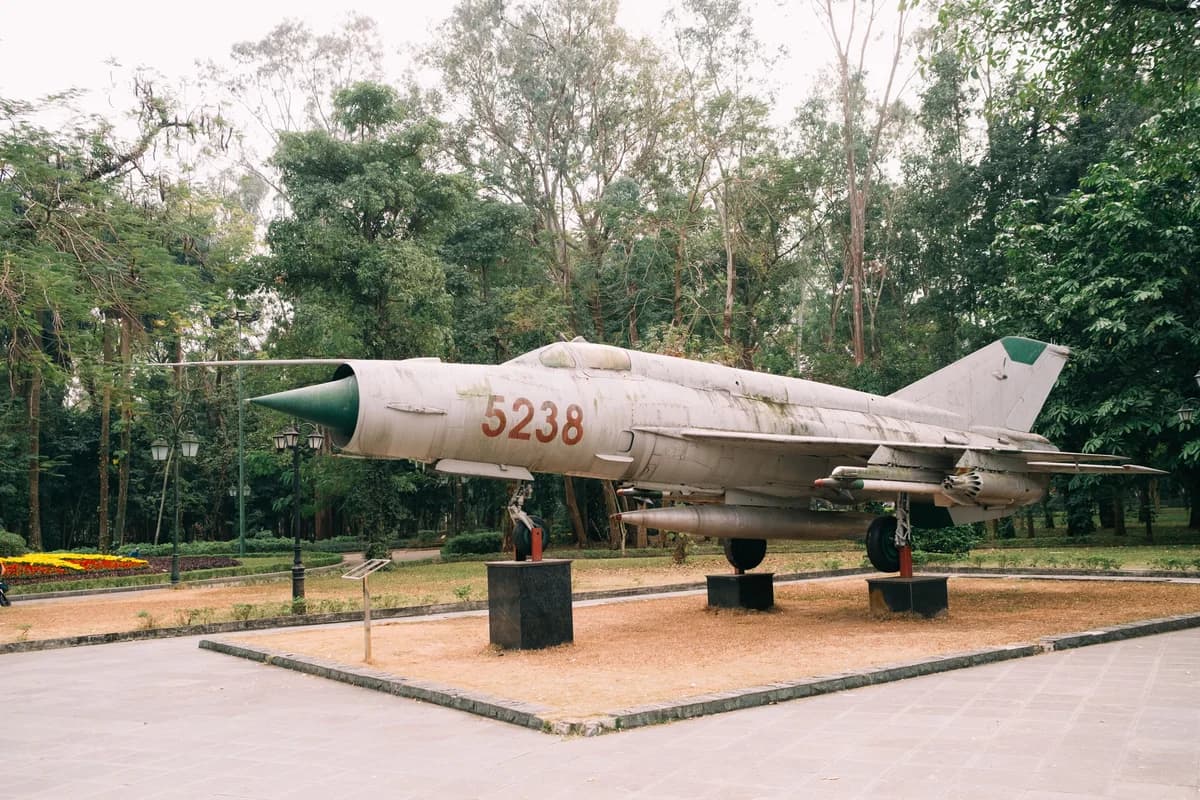
The Demilitarized Zone (DMZ) tells Vietnam's story. The former border between North and South runs through the province, and sites like the Vinh Moc Tunnels, the Hien Luong Bridge over the Ben Hai River, and the Truong Son National Cemetery make this one of the most moving historical landscapes in the country.
The coastline is quietly spectacular. Long, uncrowded beaches such as Nhat Le, Bao Ninh, and Cua Tung stretch for kilometres of clean white sand — a peaceful contrast to the busier resorts further south, and perfect for slow mornings and fresh seafood.
The countryside is pure Central Vietnam. Beyond the caves lie rivers you can kayak, jungle trails, hot springs, and rural villages where daily life moves at the rhythm of the rice harvest. It's a landscape made for adventurers and slow travellers alike.
The food is honest and regional. Expect hearty Central Vietnamese cooking — banh bot loc (tapioca dumplings), chao canh (a local noodle soup), and abundant fresh-caught seafood along the coast. Simple, generous, and deeply tied to the land and sea.
💚 Why You Should Visit
Quang Tri rewards the traveller looking for something bigger and wilder than the postcard. Here you can descend into caves that dwarf anything else on the planet in the morning, and stand in the hushed tunnels where families once sheltered from war by afternoon. It is a province of extremes — geological, historical, emotional — and it wears them with a quiet, unpolished grace.
Because it sees fewer crowds than Vietnam's headline destinations, Quang Tri still feels like discovery. The more time you give it, the more it opens up.
🗓️ When to Go
March–August — The sweet spot. Dry, sunny weather makes this the prime season for caving, beaches, and DMZ tours. Conditions inside and around the caves are at their safest and most reliable.
April–May — Warm and clear, with fewer crowds before the domestic summer rush. Ideal for combining caves with coastal days.
September–November — The rainy season brings heavy downpours and possible flooding; many caves close for safety during peak rains. Landscapes turn lush and green, but plans need flexibility.
December–February — Cooler and quieter, occasionally damp. A calm time to explore historical sites, though some cave tours may pause.
💡 Plan around the caves — the most spectacular expeditions (especially Son Doong) require advance booking and only run in the dry season. Reserve well ahead.
🚗 How to Get There
The main gateway is Dong Hoi Airport, with connections to Hanoi and Ho Chi Minh City, placing the caves within easy reach. The North–South railway and National Highway 1A also run the length of the province, making arrival by train or road straightforward.
Once in Quang Tri:
Guided tours are the best way to reach Phong Nha's caves and the DMZ sites, as many require permits, transport, and local expertise.
Motorbikes and bicycles are perfect for exploring Phong Nha village, the rivers, and the surrounding countryside at your own pace.
Private cars make longer distances — coast to caves to war memorials — comfortable and efficient.
Plan for at least 2–3 nights — one day deep in the caves, one exploring the DMZ and its history, and one for the coast or countryside with a bowl of chao canh in hand. 🏞️✨
Central Vietnam
Quang Tri
• Best visited during dry season
• Book transfers in advance
• Try local specialties
• Respect local customs