
👑 Hue — Vietnam's Imperial Soul
Straddling the languid Perfume River in the heart of central Vietnam, Hue is the country's most historically layered city — the former imperial capital of the Nguyen Dynasty, a place where royal citadels, ornate royal tombs, and centuries-old pagodas rise from misty riverbanks in quiet, dignified splendour. If Hoi An enchants with lantern light, Hue moves you with something deeper — the weight of history, the poetry of decay, and the singular flavour of a culture that shaped all of Vietnam.
✨ What to Highlight
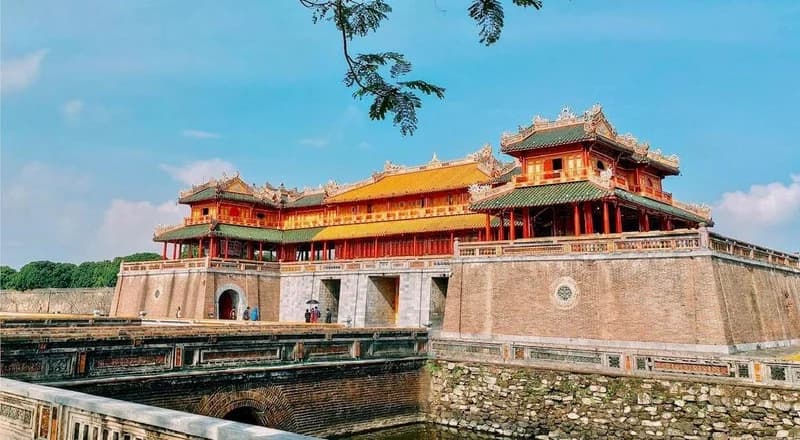
The Imperial Citadel is Vietnam's Forbidden City. Built in the early 19th century and modelled after Beijing's imperial palace, the Imperial City sprawls across four square kilometres of moats, ceremonial gates, throne halls, and royal gardens. Heavily damaged in the 1968 Tết Offensive, much of it still stands — and ongoing UNESCO-backed restoration is slowly bringing it back to life. Walking through its grand gates at dawn, almost alone, is a profound experience.
The Royal Tombs are architectural poetry. Scattered across the forested hills south of the city, the mausoleums of the Nguyen emperors are each a unique masterpiece — Tu Duc's tomb is a romantic garden of lotus ponds and pavilions; Minh Mang's is grand and symmetrical; Khai Dinh's is a dramatic fusion of Vietnamese and European baroque styles, encrusted with mosaic glass and porcelain. Each deserves its own afternoon.
Thien Mu Pagoda is the symbol of Hue. Perched on a hill above the Perfume River, this seven-storey octagonal tower has stood for over 400 years and remains the most iconic image of the city. Arriving by dragon boat from the city, watching the pagoda emerge through the morning mist, is quietly unforgettable.
The food of Hue is in a class of its own. As the former seat of imperial Vietnam, Hue developed a cuisine of extraordinary refinement — elaborate, precise, and deeply flavourful. Bún Bò Huế (spicy lemongrass beef noodle soup) is arguably Vietnam's greatest noodle dish. Bánh Khoái (crispy savoury pancakes), Cơm Hến (tiny river clam rice), and Bánh Bèo (steamed rice cakes with shrimp) are dishes you will not find anywhere else in quite the same form. Eating in Hue is a cultural education in itself.
💚 Why You Should Visit
Hue rewards those who come with curiosity and patience. It's quieter than Da Nang, less polished than Hoi An — and all the better for it. The city wears its imperial past without theatrics, in crumbling walls draped with bougainvillea, in monks chanting at riverside pagodas, in grandmothers selling bánh from bamboo baskets at dawn. It's a city of genuine depth, where history isn't staged for tourists — it simply is.
For anyone serious about understanding Vietnam — its art, architecture, cuisine, and spirit — Hue is essential.
🗓️ When to Go
February–April — The best window. Dry, warm, and clear after the long rainy season. The city emerges luminous and green, and the Imperial Citadel looks its finest in golden morning light.
May–August — Hot and mostly sunny. Peak season for tourism, with long days ideal for visiting the tombs and pagodas.
September–November — Hue sits in one of Vietnam's rainiest corridors — the city receives more annual rainfall than almost anywhere in the country. October in particular can bring heavy and sustained rain. Pack accordingly, and consider that the misty, rain-soaked citadel has its own melancholy beauty.
December–January — Cool, occasionally drizzly, but quiet and atmospheric. The city slows to a reflective pace that suits its character perfectly.
🚗 How to Get There
Phu Bai International Airport serves Hue with direct flights from Hanoi and Ho Chi Minh City (1–1.5 hours). By train, Hue sits on the Reunification Express line — the scenic rail journey over the Hai Van Pass from Da Nang (just 2.5 hours south) is one of the most beautiful train rides in Asia, hugging clifftops above the sea. By road, the Hai Van Pass drive is equally dramatic and beloved.
Once in Hue:
Dragon boat on the Perfume River — the most atmospheric way to reach Thien Mu Pagoda and the riverside tombs. Negotiate with boat owners at the city docks.
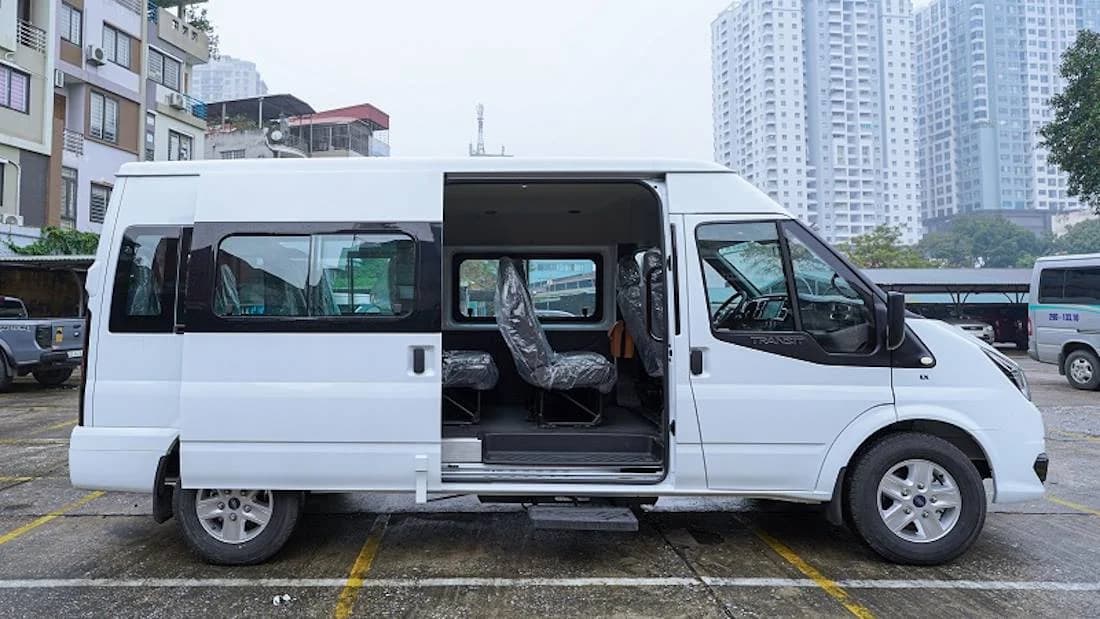
Private car — A popular transfer that you can go anywhere in city
Motorbike or bicycle — essential for reaching the hilltop royal tombs scattered south of the city. Most guesthouses rent both.
Cyclo (bicycle rickshaw) — a slow, nostalgic ride through the old quarter streets that perfectly matches the city's unhurried pace.
Plan for 2–3 nights — one full day for the Imperial Citadel and old quarter, one day for the royal tombs and pagodas by river, and one morning doing nothing but eating your way through a Bún bò Huế breakfast at a plastic-stool street stall. 👑🍜
Central Vietnam
Thua Thien Hue
• Best visited during dry season
• Book transfers in advance
• Try local specialties
• Respect local customs
 LimousineLimousine
 Bus
Bus Private Car
 Moderate
 Easy
Easy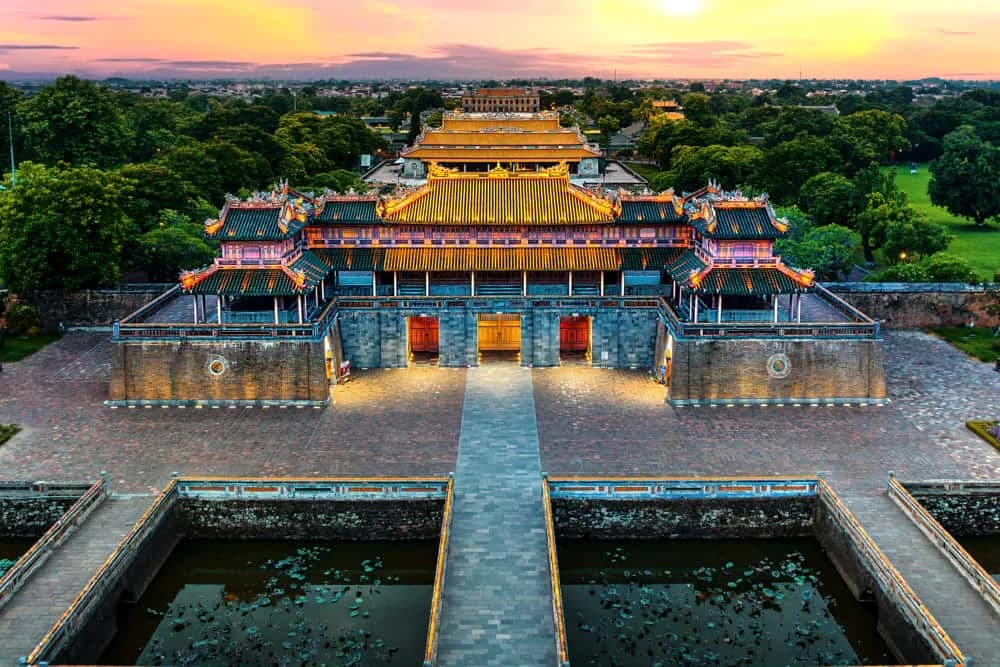 Easy
Easy Moderate